The Best 9mm Ammo for Range Days, Home Defense, and Concealed Carry
The 9mm round has been around since 1902—yet it’s still the most popular handgun cartridge on Earth. It works by igniting a small powder charge behind a jacketed bullet, pushing it out the barrel at over 1,000 feet per second. That speed gives you flat trajectory and reliable expansion, making it easy to shoot accurately for both beginners and pros. Just pick the right bullet weight—115 grain for range fun, 147 grain for softer recoil—and you’re set.
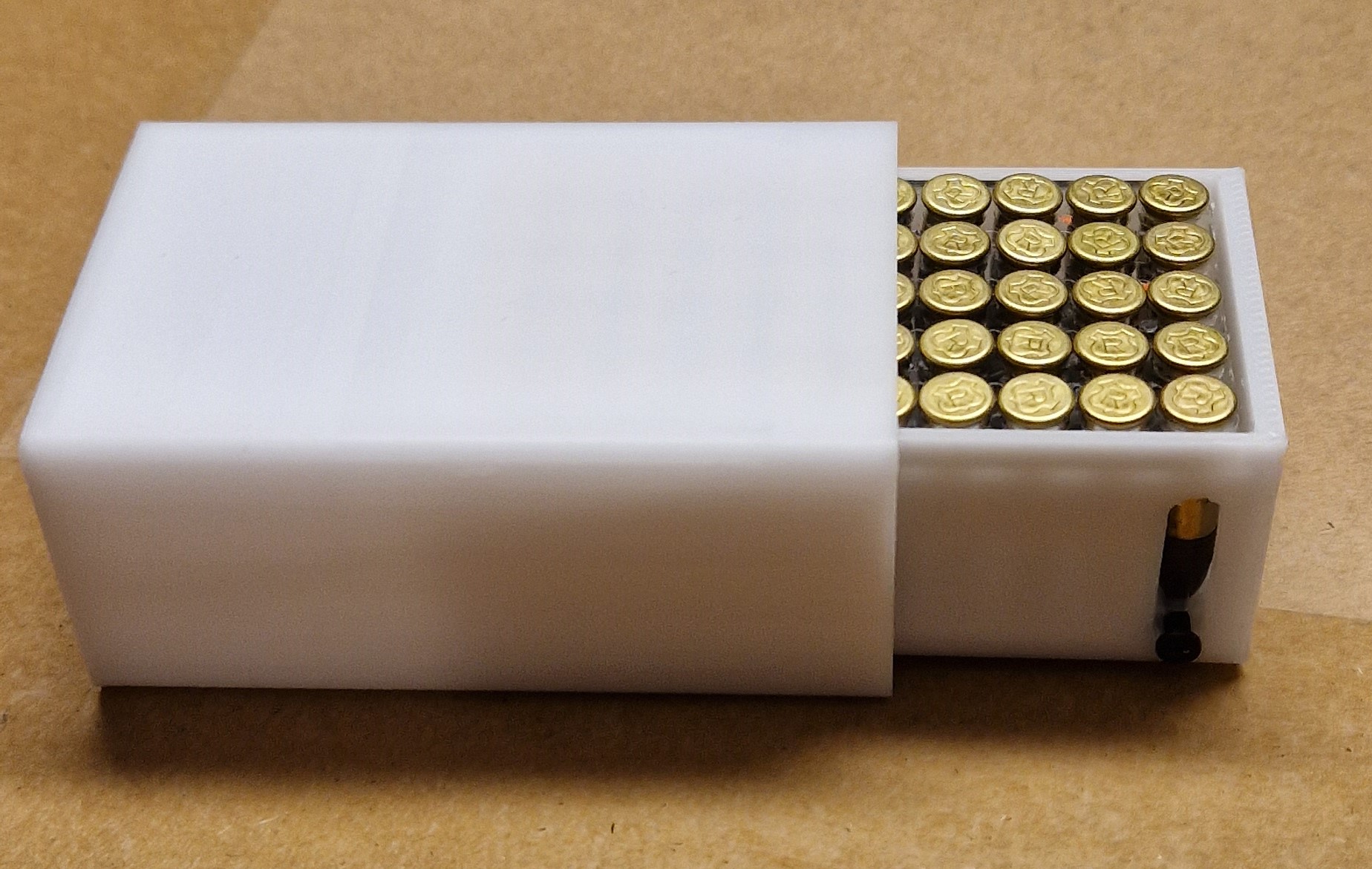
Understanding the Core Specs of the 9mm Luger Round
The 9mm Luger round’s core specs define its performance, starting with a 9x19mm case and a standard bullet diameter of .355 inches. Pressure levels sit at 35,000 psi, dictating velocity—typically 1,150–1,250 fps for a 115-grain load—which affects both recoil and terminal ballistics. Bullet weight choices, from 115 to 147 grains, shift the balance between speed and penetration, while overall length (1.169 inches) ensures reliable feeding in most handguns. Understanding these numbers lets you match ammo to your firearm’s barrel twist and action type. Muzzle energy, often 300–400 ft-lbs for defensive loads, is the practical result of this spec interplay. Yet, the same specs that produce flat trajectories in a 4-inch barrel can behave wildly differently in a compact slide. For self-defense, expansion and depth matter more than raw velocity, but every choice starts with these foundational measurements.
What Do the Numbers on the Box Really Mean?
The numbers on a 9mm box—typically “115 GR FMJ” and “9×19”—decode the cartridge’s identity. The first figure, grain weight (e.g., 124 gr), measures bullet mass, directly influencing recoil impulse and muzzle energy; heavier grains often penetrate deeper, while lighter ones favor higher velocity. The “9×19” confirms case length, ensuring chamber compatibility with your pistol. A velocity rating (like 1,150 fps) tells you how fast the projectile leaves the barrel, affecting trajectory and expansion timing. Mismatched numbers—say, a +P load in a gun not rated for it—can cause dangerous pressure spikes. Look for bullet type (FMJ, JHP) to predict terminal performance, not just paper accuracy. Understanding the numbers on the box prevents over-penetration risks and ensures reliable cycling.
- Grain weight (115/124/147) changes felt recoil and muzzle flip.
- Velocity (fps) affects bullet drop at longer distances.
- +P designation signals higher pressure—verify firearm rating first.
- Bullet type (FMJ vs. JHP) dictates whether rounds expand or pass through.
Comparing Bullet Weights: 115 vs 124 vs 147 Grain
When comparing 9mm bullet weights, the 115-grain load typically delivers the highest velocity, producing a snappier recoil impulse and flatter trajectory, which aids rapid target reacquisition. The 124-grain round offers a balanced compromise between speed and momentum, often yielding superior penetration through barriers while maintaining manageable recoil for follow-up shots. Conversely, the 147-grain subsonic projectile generates the lowest muzzle velocity, reducing felt recoil to a dull push and .338 Lapua Ammo for Sale making it ideal for suppressed use, as it avoids the sonic crack. Crucially, selecting the correct grain weight for your firearm’s barrel twist and preferred shooting application matters more than absolute numbers—lighter bullets excel in competition, heavier ones in defensive scenarios requiring deep wound channels. Testing each weight through your specific pistol reveals which cycles reliably and groups tightly at defensive distances.
Matching the Load to Your Purpose
You stand at the reloading bench, a box of 9mm brass before you, and the first question isn’t speed—it’s *purpose*. For a quiet evening of steel plate practice, a light 115-grain load with a soft powder charge keeps your wrists fresh and the muzzle flat, letting you focus on sight alignment rather than flinch. But when you carry that same pistol for personal defense, you 6.5x57R Ammo for Sale switch to a heavier 124-grain jacketed hollow point, pushed just enough to ensure reliable cycling in a short barrel. The difference isn’t just bullet weight—it’s pressure curve. A subsonic 147-grain round for your suppressor needs a fast-burning powder to avoid that ugly *crack*; the same bullet in a competition gun would feel sluggish. Your chronograph is the true judge—it tells you if the load matches the mission, not the box label. So ask yourself: today, are you burning ammo for fun, precision, or survival? That answer decides your powder charge, your bullet profile, and your seating depth—nothing else.
Best Rounds for Range Practice and Cheap Plinking
For range practice and cheap plinking, 9mm full metal jacket (FMJ) rounds are the undisputed workhorse, typically delivering the lowest cost per round while ensuring reliable feeding in most pistols. Choose 115-grain loads from manufacturers like CCI Blazer Brass, Federal American Eagle, or Sellier & Bellot, as their consistent powder charges reduce point-of-impact shifts compared to hotter defensive ammo. However, if you shoot a compensated pistol or a ported barrel, step up to 124-grain NATO-spec loads to maintain proper cycling, since lighter bullets often produce .35 Remington Ammo for Sale insufficient gas pressure. Avoid reloads or remanufactured “bargain” batches for high-volume sessions, as primer seating inconsistencies cause more malfunctions than you save in money. Best Rounds for Range Practice and Cheap Plinking are those that group tightly at 10–15 yards, not the cheapest box on the shelf.
Q: What is the best round for cheap plinking in a 9mm?
A: A 115-grain FMJ from a major manufacturer—like Magtech or Blazer—at roughly 25–30 cents per round, as it offers the best blend of low recoil, reliable ignition, and acceptable accuracy for casual target work.
Choosing Jacketed Hollow Points for Personal Defense
For personal defense, choosing jacketed hollow points for 9mm personal defense is about engineered expansion, not penetration depth. When the bullet hits soft tissue, the hollow cavity forces it to mushroom, creating a larger wound channel and transferring energy more efficiently than full metal jacket rounds. This expansion is your primary tool for rapid incapacitation, reducing the risk of over-penetration through walls or a threat. Your ammunition must function flawlessly in your specific handgun, so test several defensive loads for reliable feeding and consistent point of impact before committing. Prioritize proven law-enforcement loads with a track record of expansion, and verify performance through controlled gel tests. Follow this sequence:
- Select a premium JHP with a bonded core
- Confirm it cycles reliably in your pistol
- Validate accuracy at defensive distances
- Then carry it exclusively.
Your life depends on this expansion working every single shot.
Subsonic Options for Suppressed Shooting
For suppressed 9mm shooting, subsonic ammunition is essential because standard-pressure loads exceed the speed of sound, producing a distinct ballistic crack. Select loads with bullets weighing 147 to 158 grains, which typically stay below ~1,050 feet per second at the muzzle. Heavier bullets like 158-grain flat points offer reliable cycling in most locked-breech pistols, while 147-grain jacketed hollow points provide better expansion at lower velocities. Test your specific firearm for reliable ejection and consistent accuracy, as gas blowback can vary with powder burn rate. Use a suppressor rated for 9mm and verify point-of-impact shift at 15–25 yards, since slower projectiles drop significantly. Prioritize factory loads with proven terminal performance over handloads for defensive use.
Subsonic 9mm loads eliminate supersonic crack, prioritizing quiet cycling and reliable function over flat trajectory.
How to Get Consistent Accuracy From Your Pistol
Feeding your pistol the same 9mm ammo batch—same bullet weight, same powder lot—removes the biggest variable from your accuracy equation. I learned this after chasing fliers with mixed range brass, never knowing if the next shot would print high or left. Consistent grip pressure and trigger reset matter more than the gun itself, but they amplify only when the cartridge delivers identical velocity shot after shot. Buy one case of quality 9mm, chronograph it once, and trust it.
If your ammo varies by 50 feet per second, your point of impact will wander before you ever blame your sights.
Lock your https://specialtysportsandsupplyltd.com/ wrists, press the trigger straight back until the sear resets on its own, and let the 9mm’s mild recoil settle naturally—then watch your groups shrink from dinner-plate to coin-sized at 15 yards.
Why Bullet Shape Affects Your Point of Impact
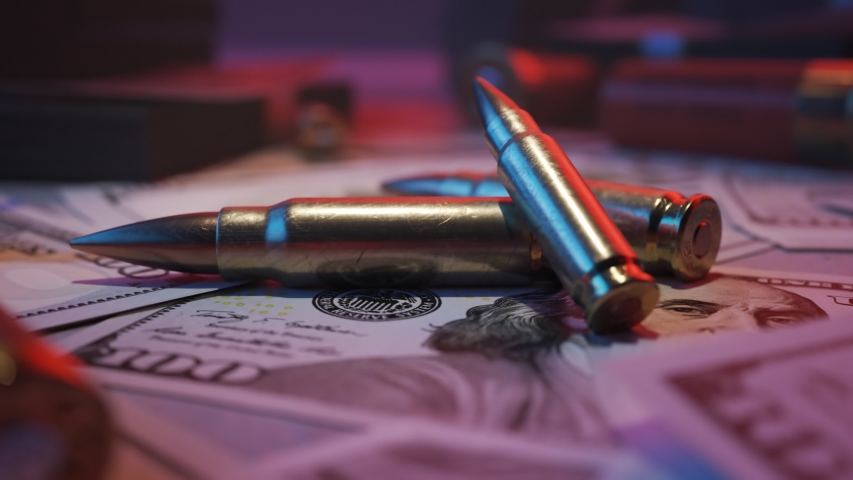
Bullet shape dictates your point of impact because it controls how the projectile interacts with the rifling and the air. A full metal jacket round-nose (FMJ RN) profile typically produces a consistent, predictable point of impact due to its stable ogive engaging the barrel lands uniformly. In contrast, a flat-nose or hollow-point bullet has a shorter bearing surface and a blunter meplat, which can alter the pressure curve and the barrel’s harmonic whip, shifting your zero by several inches at 25 yards. Heavier, longer bullets with a secant ogive may require a faster twist rate to stabilize; if not, they yaw, causing vertical stringing. Therefore, when you switch 9mm loads, the change in bullet shape alters your point of impact even if the muzzle velocity remains similar. You must re-zero for each profile.
| Bullet Shape | Effect on Point of Impact |
|---|---|
| Round Nose (FMJ) | Flat, consistent trajectory; minimal vertical shift |
| Flat Point / Hollow Point | Often prints lower due to shorter bearing surface and higher drag |
| Truncated Cone | Sharp feed ramp contact; can cause erratic vertical spread |
Adjusting Your Grip for Snappier vs Softer Recoiling Loads
To maintain a consistent sight picture, your grip must adapt to the ammunition’s recoil impulse. For snappy +P or lightweight loads, the slide cycles faster, so you need a higher, tighter grip—crank up your support-hand pressure to 60% to lock the wrist and reduce muzzle flip before the next shot. For softer, standard-velocity 9mm loads, ease off slightly; a vice-like grip actually dampens the subtle return-to-zero, causing you to fight the gun’s natural rhythm. Focus on matching your grip tension to recoil velocity by pressing forward with the support hand for sharp loads, then relaxing that same hand’s pressure for milder rounds. Follow this sequence when switching ammo:
- Fire two rounds to feel the impulse.
- Adjust support-hand pressure incrementally.
- Re-check your front sight’s vertical return after each shot.
This prevents over-correction and keeps your groups tight, no matter the load.
Maximizing Performance and Reliability in Your Firearm
Feeding your pistol a steady diet of quality 9mm ammo is the first ritual for maximizing performance and reliability in your firearm. I’ve watched shooters chase accuracy with limp wristing and gritty triggers, but the round itself dictates the baseline. A consistent 124-grain load with a clean, round-nose profile feeds better than hollow points in a tight chamber, so I test five box types and stick to the one that locks back empty mags every time. Match the bullet weight to your recoil spring—too light a load and the slide cycles short, too hot and it batters the frame. Lubricate the rails with a thin film, not a pool.
The real secret is logging 200 rounds of the same lot without a malfunction; that’s your trust threshold for duty or defense.
Clean carbon off the feed ramp weekly, and your 9mm turns from a gamble into a predictable tool that runs until you stop it.
How to Properly Test Different Brands for Functionality
To properly test different 9mm brands, you must isolate each lot by running a minimum of 200 rounds through the same firearm, with the same magazine, and the same cleaning schedule. Record every failure to feed, extract, or fire on a simple log, noting the exact round count when the malfunction occurs. Test defensive loads only after you’ve verified ball ammo cycles reliably, because recoil spring dynamics differ. Shoot from a supported rest for the first 50 rounds to rule out shooter-induced errors, then transition to a combat grip to see if the brand holds up under real manipulation. Crucially, rotate the brand you’re testing between multiple magazines to expose weak springs, and always test in cold and hot conditions. Hands-on lot verification is the only reliable way to judge brand functionality, not box labels or reviews.
Test each 9mm brand in your actual gun, in volume, with a fault log, across multiple magazines and temperatures—only then can you trust its functionality.
Understanding Pressure Signs and When to Stop Shooting
Identifying pressure signs in 9mm ammunition requires examining spent primers and case heads after each shot. A flattened primer with lost rounded edges, cratering around the firing pin hole, or a visible ejector swipe on the case rim indicate over-pressure events. In Glock platforms, a bulged case head or popped primers are immediate red flags. Stop shooting instantly if extraction becomes sticky, the slide cycle feels abnormally sharp, or case rims show bright, smeared brass. Compare fired cases against known-good factory loads; a case head expansion exceeding 0.001 inches is critical. Record lot numbers of faulty ammo and cease using that batch. Chronograph data exceeding published velocities by 150 fps also confirms excessive pressure. Persistent signs after switching lots demand a firearm inspection for chamber obstructions or incorrect headspace.
Q: What is the single most reliable early pressure sign in 9mm reloads?
A: Flattening of the primer’s outer edge, 6.5x57mm Mauser Ammo for Sale visible without magnification, appearing consistently across several cases from the same charge weight. If this appears, reduce your powder charge by 0.2 grains and retest before continuing.
Simple Storage Tips to Keep Your Cartridges Fresh for Years
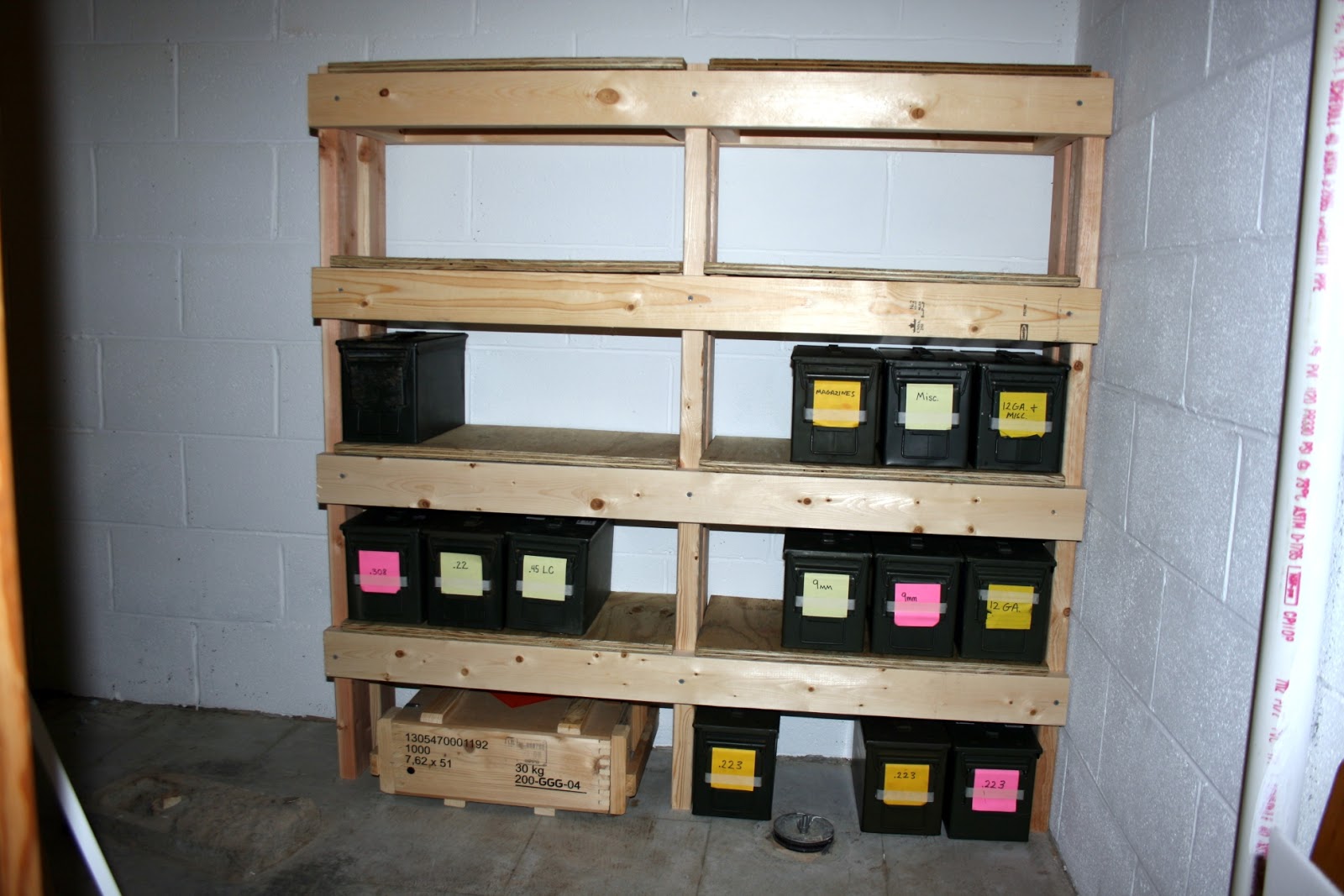
To keep your 9mm ammo shooting reliably for years, start by storing it in a cool, dry place—a stable temperature around 60–70°F prevents propellant degradation and primer sensitivity. Avoid basements or garages where humidity fluctuates; instead, toss a few silica gel packs into your ammo can to absorb moisture. Always keep rounds in their original factory boxes or a dedicated ammo can with a rubber gasket, and never store loose rounds in a fabric pouch where they can rub against each other. Simple storage tips to keep your cartridges fresh for years also mean checking Ammunition for Sale for corrosion every few months—if you see green crust on brass, wipe it off with a dry cloth. Finally, rotate your stash: use older boxes first so nothing sits untouched for a decade.
Common Questions Shooters Have Before Buying
Before you grab a box, the biggest question is always what 9mm ammo is actually for—range practice demands cheap, low-recoil full metal jackets, while defense requires premium hollow points that expand reliably. Shooters constantly ask if one box can do both, but the answer is no; you’ll want distinct loads. Another top concern is bullet weight—115 grain cycles smoothly in most pistols, but 124 or 147 grain offers better felt recoil control and suppressed performance, so testing both is key. You’ll also wonder about brass versus steel cases; brass is reloadable and cleaner, while steel saves money but wears extractors faster. Finally, verify your gun’s twist rate and chamber before bulk-buying, since choosing .32 Win Special Ammo for Sale the right 9mm ammo hinges on matching the load to your specific barrel and shooting goal.
Is It Safe to Shoot Steel-Cased vs Brass-Cased Rounds?
Yes, shooting steel-cased 9mm rounds is safe in most modern firearms, though brass remains the smoother, more reliable choice. Steel cases lack the malleability of brass, which can lead to slightly harder extraction and increased wear on your extractor over thousands of rounds. Steel-cased 9mm ammo is perfectly safe for range practice, but avoid it in tight-chambered competition pistols. For a clear safety sequence: first, inspect your barrel for steel-jacketed projectiles, as some ranges prohibit them; second, fire a small test batch to confirm reliable ejection; third, clean your chamber more frequently, since steel cases don’t expand and seal like brass, allowing more carbon fouling. Brass cases offer superior corrosion resistance and reloadability, but both 6.8 SPC Ammo for Sale are safe when your gun is in good condition.
How Many Rounds Should You Actually Have on Hand?
For most 9mm owners, a practical reserve of 500 to 1,000 rounds balances cost efficiency with realistic training needs. Start with 200 rounds to verify function and zero, then build your stockpile around monthly range sessions—if you shoot 100 rounds weekly, a 500-round minimum covers about five weeks of practice. Keep 50 to 100 rounds dedicated solely for defensive use, stored separately and marked, as these should never be dipped into for plinking. Rotate your stash by shooting the oldest inventory first, preventing moisture or primer degradation. Shoot-through inventory—whatever you burn in one range trip—should be replaced within two weeks to maintain your baseline.
Q: How many rounds should you actually have on hand for a 9mm pistol?
A: At minimum, 300 rounds—200 for range practice and 100 for defense—but 1,000 total is the sweet spot for regular shooters, ensuring you never face a shortage during ammo droughts.
What Is the Real Difference Between +P and Standard Pressure Loads?
In 9mm, the real 6.5×55 Swedish Ammo for Sale difference between +P and standard pressure loads is purely internal ballistics: +P ammunition is loaded to roughly 10% higher chamber pressure, which translates into higher muzzle velocity and flatter trajectory downrange. That extra pressure gives you more consistent expansion from defensive hollow points, but it also accelerates slide velocity and felt recoil noticeably. For a shooter buying 9mm, standard pressure remains ideal for training, competition, and older firearms without a reinforced chamber. **The true distinction is whether you need terminal performance over shootability**—every modern pistol rated for 9mm can handle occasional +P, but sustained use increases part wear.
Question: What .32 ACP Ammo for Sale Is the Real Difference Between +P and Standard Pressure Loads?
Answer: +P pushes the same bullet faster via higher pressure, buying you deeper penetration and reliable expansion, while standard pressure trades that edge for softer recoil and less frame stress—so choose +P only for carry, not for volume practice.
Recent Comments